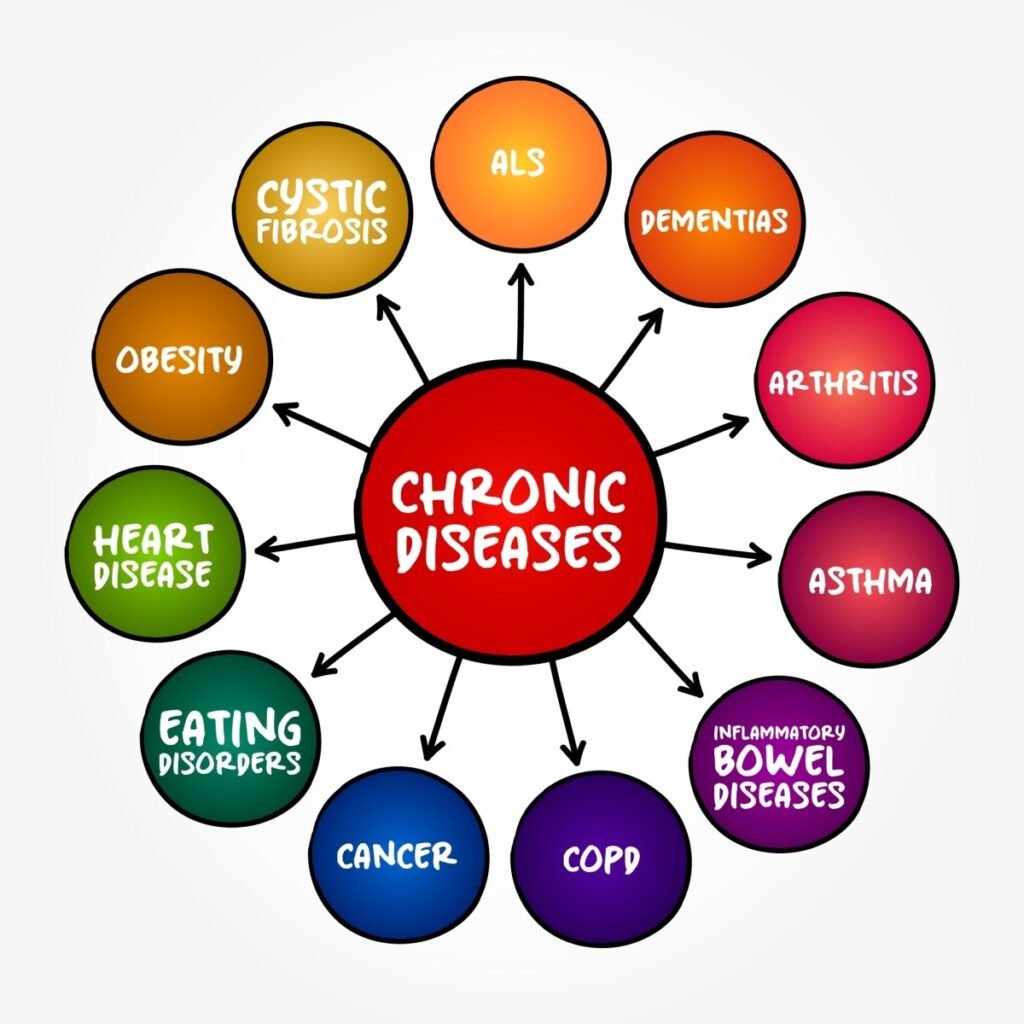
What is a Chronic Illness?
A chronic illness is defined as a long-lasting health condition that persists for a year or longer and requires ongoing medical attention or limits daily activities. This definition sets chronic illnesses apart from acute conditions, which are characterized by a rapid onset and typically resolve within a short period. While acute illnesses may bring immediate health concerns, chronic illnesses are often marked by their durability and complexity. Examples of chronic illnesses include diabetes, heart disease, arthritis, and chronic obstructive pulmonary disease (COPD), also known as chronic respiratory diseases.
The characteristics of chronic illnesses are multifaceted. They often manifest through a myriad of symptoms, which can fluctuate in severity. Patients may experience periods of exacerbation and remission, which can complicate their management. Unlike temporary ailments that resolve with treatment, chronic illnesses often necessitate a long-term approach involving lifestyle modifications and multi-faceted treatment plans. The psychological impact of living with a chronic illness can be significant, often leading to stress, anxiety, or depression, which can further complicate the management of the condition.
Moreover, chronic illnesses do not exist in a vacuum; a diverse array of biological, psychological, and social factors influences them. Biological factors may include genetic predisposition, underlying health conditions, and inflammatory processes. Psychological factors can encompass the individual’s mental health and coping mechanisms. Social determinants, such as socioeconomic status, access to healthcare, and community support, also play a critical role in both the development and management of chronic illnesses. Understanding these dimensions is crucial for effectively addressing the challenges faced by individuals living with chronic conditions and for guiding healthcare providers in offering comprehensive care.
Chronic Illness Overview
Chronic illnesses encompass a wide range of long-lasting health conditions that can significantly impact the quality of life for millions of individuals worldwide. According to recent statistics, it is estimated that over 130 million Americans are living with at least one chronic illness, while globally, the prevalence is similarly alarming, with chronic diseases accounting for about 60% of all deaths each year. This broad category includes a diverse spectrum of ailments, which can be classified into several groups, each with unique characteristics and challenges.
One prominent category of chronic illnesses is autoimmune diseases. Conditions such as rheumatoid arthritis, lupus, and multiple sclerosis fall under this umbrella, where the immune system mistakenly attacks healthy cells. These diseases often lead to profound physical and emotional struggles, necessitating ongoing management and support.
Cardiovascular diseases represent another significant subset, including conditions like hypertension, heart disease, and stroke. The World Health Organization (WHO) reports that cardiovascular diseases remain the leading cause of death globally, emphasizing the urgent need for preventive measures and effective treatment strategies.
Respiratory illnesses, such as chronic obstructive pulmonary disease (COPD) and asthma, also comprise a substantial number of chronic health conditions. These diseases can severely limit lung function and overall quality of life, requiring continuous monitoring and tailored medical treatment.
Mental health disorders, including anxiety and depression, illustrate yet another facet of chronic illness. These conditions can often be overlooked, yet they can be just as debilitating as physical ailments, affecting an individual’s emotional well-being and daily functioning.
Recognizing the diversity of chronic illnesses is crucial for enhancing public awareness and improving healthcare initiatives. By addressing the complexities associated with these conditions, we can better support the millions affected by chronic health issues, fostering a more inclusive approach to health and wellness in society.
How Does it Feel Like to Have a Chronic Illness?
Living with a chronic illness is often a multifaceted experience that extends beyond mere physical discomfort. Individuals suffering from chronic health conditions encounter a range of emotional, physical, and mental challenges that shape their daily lives. For many, the unpredictability of their health can lead to feelings of anxiety, frustration, or sadness. The knowledge that a chronic illness can impose limitations on one’s activities or aspirations can be disheartening. People frequently talk about feeling isolated or misunderstood by those who are not familiar with the struggles involved in managing a long-term condition.
On a physical level, chronic illnesses may manifest through persistent fatigue, pain, or other debilitating symptoms that can greatly impede daily functioning. This constant battle with one’s body can lead to a sense of helplessness, especially when treatments do not provide the anticipated relief. For individuals like Sarah, who lives with fibromyalgia, each day presents a unique set of challenges. Simple tasks, such as climbing stairs or even getting out of bed, can sometimes feel insurmountable. Her experience highlights the profound impact that chronic illness can have on one’s quality of life.
Mental health plays a crucial role in the experience of living with a chronic condition. Many individuals report feelings of depression or anxiety due to their ongoing health issues. Coping mechanisms vary widely; some may seek support through therapy or support groups, while others rely on hobbies or mindfulness practices to maintain a sense of normalcy. The stories shared by those living with chronic illnesses reveal resilience, adaptability, and a quest for understanding. Adapting to a new reality can be challenging, but many find strength in community, shared experiences, and the pursuit of self-care strategies that allow them to navigate their health journeys more effectively.
How many Chronic Illnesses are there?
There is no exact number of chronic illnesses because the term covers a wide range of long-term medical conditions across many categories, but health organizations generally agree that there are hundreds of them. A chronic illness is any condition that lasts three months or longer, has no immediate cure, and requires ongoing management, such as medication, therapy, lifestyle changes, or monitoring. These conditions include autoimmune diseases, genetic disorders, neurological and cardiovascular diseases, gastrointestinal conditions, chronic pain syndromes, hormonal disorders, and long-term mental health conditions. Estimates vary depending on how conditions are classified, but medical databases list more than 200 to 400 chronic illnesses, ranging from very common to extremely rare.
Finding Community and Support
Living with a chronic illness can often feel isolating; however, finding community and support can play a vital role in enhancing emotional well-being and resilience. Engaging with others who understand the unique challenges associated with chronic conditions can yield profound benefits. One effective way to connect with such individuals is through support groups. These groups can be found locally or virtually and serve as safe spaces where individuals share experiences, coping strategies, and advice.
In addition to in-person support groups, online forums have become increasingly popular. They provide a platform for individuals to discuss their conditions, exchange resources, and offer encouragement to one another. Forums cater to various chronic illnesses and often include specialized sections to address particular concerns. For those who may feel uncomfortable in traditional support settings, online communities can offer a level of anonymity that fosters genuine conversation.
Social media has also emerged as a powerful tool in building connections among people dealing with chronic illnesses. Numerous organizations and advocates use platforms like Facebook, Instagram, and Twitter to create vibrant communities where individuals can share their stories and tips. Participating in these social media groups not only provides emotional support but also helps users stay informed about advancements in research, treatments, and advocacy efforts related to their conditions.
The benefits derived from having a support system are manifold. Emotional support can alleviate feelings of loneliness and anxiety, while shared experiences create a sense of belonging. Moreover, practical advice from individuals who have navigated similar challenges can empower one to make informed decisions about their health. For those seeking community, resources such as local health organizations, hospitals, or online directories can offer valuable information about available groups and forums.